







Search Results for: coffee formula
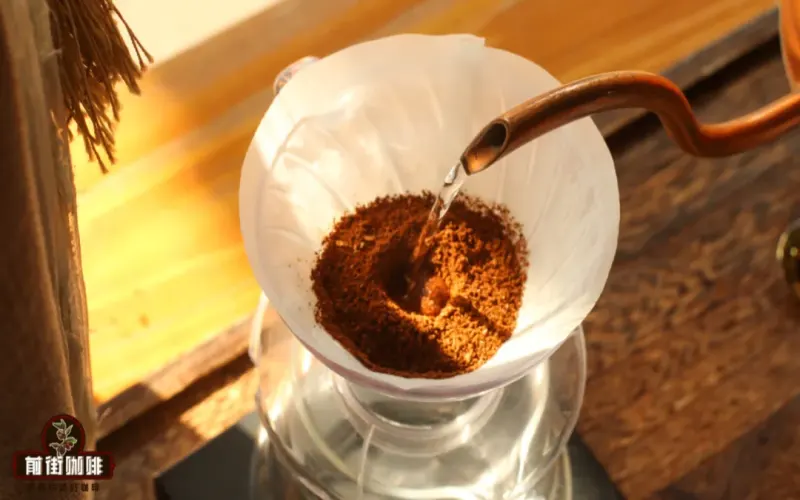
Master these two core formulas to easily make a well-balanced Italian latte
Latte coffee seems simple, but in reality it hides real craftsmanship. Many people follow a recipe, yet the final result always feels like it falls a bit short, and the problem often lies in parameter control. This article starts with the espresso extraction formula and the coffee-to-milk ratio formula, breaking down how to use variables such as the coffee-to-water ratio, extraction time, and milk quantity to bring a latte to a state of balanced flavor and full-bodied texture. Whether you prefer the rich chocolate notes of a dark roast or the bright fruit acidity of a light roast, the article provides corresponding adjustment approaches, and also includes a simple method for iced latte, helping you elevate your latte from "drinkable" to "delicious." [more…]
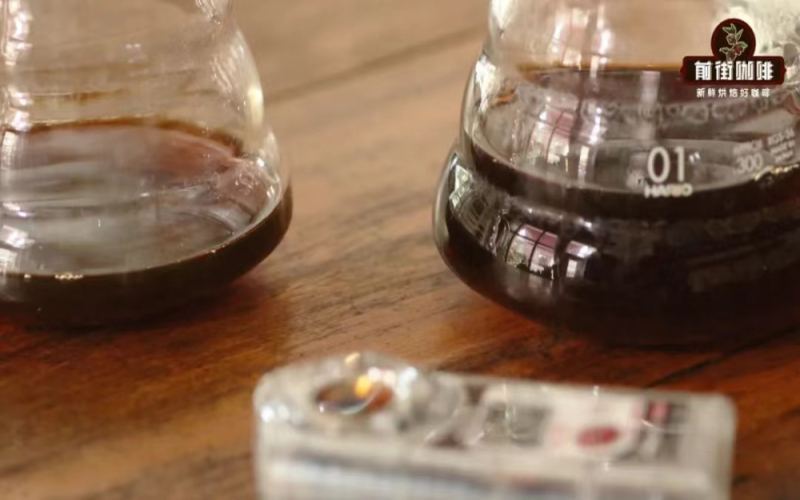
How Is the Extraction Yield of Pour-Over Coffee Calculated? A Complete Guide to the Golden Cup Extraction Theory's Formula and Practical Methods
Should brewing coffee rely on feeling or on data? With the maturation of extraction theory, pour-over coffee has gradually moved from empiricism toward a scientific approach. As a classic reference, the Golden Cup extraction standard, although some of the ranges in its 1.0 version are no longer fully suited to the present, still leaves behind extraction yield and concentration calculation formulas that remain practical today. From Front Street's perspective, this article first reviews the background of the Golden Cup standard and Lockhart's research journey, then focuses on explaining two methods for calculating extraction yield: the traditional dry weighing method, and the method of using a TDS meter to infer extraction yield from concentration. The article also summarizes the definitions of concentration and extraction yield, their interrelationship, and conversion formulas, and reminds that for drip coffee, the water absorbed by the coffee bed requires correcting the weight of the brewed liquid, helping you more accurately evaluate the performance of a cup of pour-over. [more…]
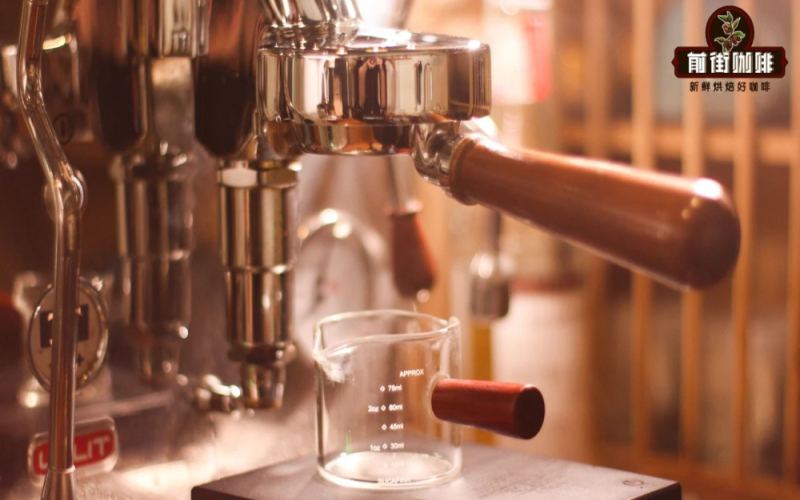
Americano Features | What Factors Affect Espresso Quality? What Is the Espresso Extraction Formula? Introduction to Iced Americano Ratio and Method
For more specialty coffee knowledge, please follow our WeChat official account: FrontStreet Coffee. Anyone who has made coffee knows that a standard Americano is made by combining espresso with water—meaning whether an Americano tastes good depends entirely on the quality of the espresso. Extracting espresso. [more…]

Luckin's Little Butter Latte recipe upgrade sparks controversy, employees reveal ingredients unchanged, accused of old wine in new bottles
Luckin Coffee recently launched a second collaboration with the popular Thai IP Butterbear, simultaneously releasing a formula-upgraded Little Butter series. The company claims the new version replaces the ingredient from New Zealand anhydrous butter to French President butter, resulting in a richer taste. However, consumer feedback after actual testing is polarized: some believe it is indeed more refreshing, while more people say they cannot taste the difference, and some even question whether it is sweeter. Multiple Luckin employees have revealed that the ingredient formula has not changed at all—only the packaging has been updated. This "upgrade" controversy has disappointed fans and raised questions about whether Luckin's collaboration strategy has fallen into the trap of rehashing old ideas. [more…]
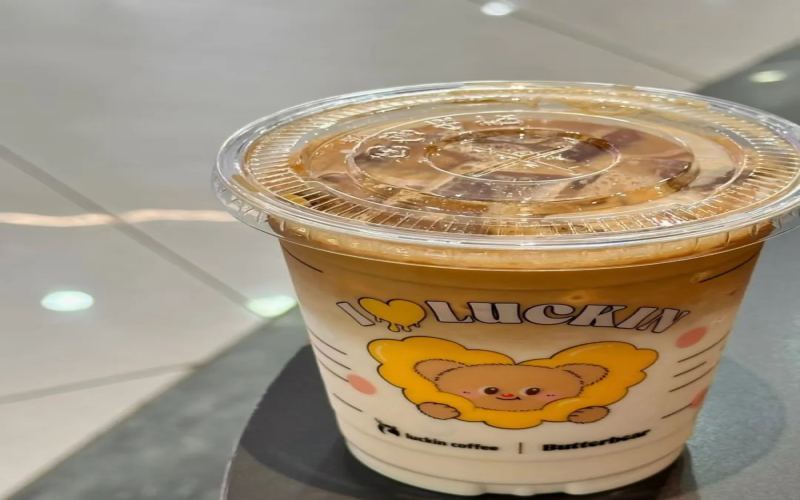
Luckin's Little Butter series accused of tasting like mutton, formula doubts and batch issues spark heated discussion
Recently, multiple Luckin Coffee users on social platforms have reported that their go-to Little Butter series drinks have developed a distinct mutton-like gamey odor. The series was launched last October in a collaboration with the Thai IP Butterbear, and during a second collaboration in February this year, it was announced that the New Zealand butter would be upgraded to French President butter. It had once been highly popular for its popcorn-like sweet and fragrant flavor. However, from Jiangsu, Zhejiang, and Guangdong to Shaanxi and Chongqing, consumers across various regions have posted that the Little Butter Latte and Little Butter Americano they recently purchased carry an unacceptable fishy, gamey smell, whether served hot or cold. Luckin's customer service did not directly respond to whether the formula had been adjusted, and store employees also denied that ingredients were expired or that preparation methods had changed. Whether it is due to differences in raw material batches or other reasons, there is still no official conclusion. [more…]
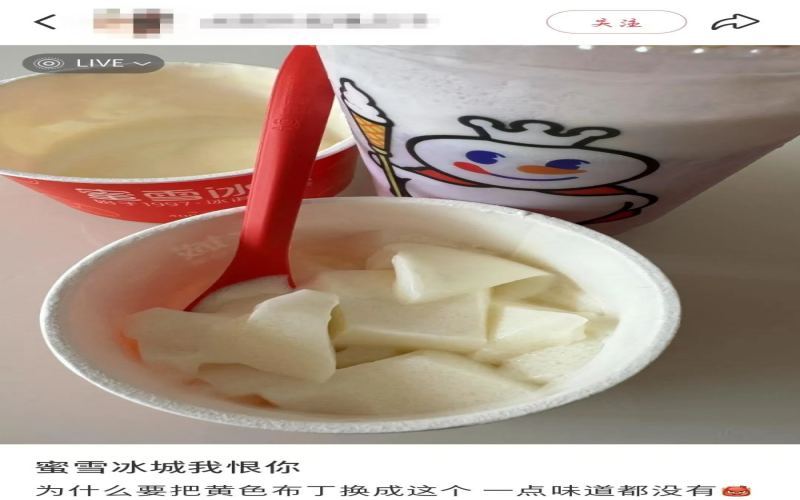
Mixue Ice Cream & Tea's Egg Pudding Quietly Changes Recipe, White Milk Pudding Launch Sparks Customer Controversy and Cost Discussions
Recently, a classic topping at Mixue Bingcheng—egg pudding—unexpectedly turned into a milky white milk pudding without any notice, surprising and even upsetting many longtime customers. Some complained about a strong milky odor and bland taste, while others speculated that the brand had changed the recipe to cut costs. However, store employees revealed that the new recipe actually uses more refined ingredients, requires the addition of fresh milk, slightly increases costs, and contains fewer additives. Behind this pudding color-change controversy, is it a healthy upgrade or a compromise on consumer taste? This article will walk you through the course of events, what employees say, and the overall direction of Mixue Bingcheng's topping recipe adjustments. [more…]
From Coffee Cherry to Chemical Formula: Are Baristas' Tattoos a Passion or an Identity?
Tattoos were once seen as a symbol of rebellion, but today they have become an important way for young people to express their beliefs and commemorate what matters to them. For baristas, wearing coffee cherries, portafilters, latte art patterns, or even the chemical formula for caffeine on their skin is both a display of personal aesthetics and a heartfelt declaration of devotion to the coffee craft. This article rounds up the tattoo themes most commonly seen on baristas, from classic equipment to creative combinations, and also addresses an intriguing question: does having more tattoos mean you make better coffee? The answer may be more rational than you'd imagine. [more…]

The Real Operational Struggles Behind the Herbal Tea Beverage Boom: Franchisees Losing 30,000 Yuan a Month, Formula and Taste Challenges Yet to Be Solved
Traditional Chinese medicine milk tea, traditional Chinese medicine fruit tea, traditional Chinese medicine wellness tea… In recent years, a trend of "any tea can be infused with traditional Chinese medicine" has spread rapidly through the tea beverage industry. In the summer of 2024, the traditional Chinese medicine tea beverage sector was especially booming, with a new brand opening more than 140 stores within 8 months, and related topic views exceeding 150 million. However, is this craze a true outlet or a short-lived gimmick? Mr. Zhou in Zhengzhou, Henan, invested more than 400,000 yuan to join a well-known traditional Chinese medicine tea beverage brand, but encountered difficulties such as the headquarters failing to deliver on its formula promises and flavors being hard for consumers to accept, ultimately suffering months of continuous losses and having no choice but to close the store and relocate. This article provides an in-depth analysis of the opportunities and challenges in the traditional Chinese medicine tea beverage industry, and explores the market prospects and operational risks under the concept of "medicine and food homology." [more…]

North China Pharmaceutical Crosses into the Tea Beverage Sector: Herbal Formulas Plus Free Health Checkups, Franchise Model Hides a Distribution Trick
What kind of sparks fly when a well-known domestic pharmaceutical company starts selling milk tea? In mid-August this year, North China Pharmaceutical's tea beverage brand opened its first store in Shijiazhuang, marketed with "healthy water," "Five Elements secret formula," and "pure natural, zero additives," with basic drinks priced at only 7 yuan. Even more surprising, during the soft opening, customers could enjoy a comprehensive smart health checkup, with a robot testing 70 indicators across ten major systems and recommending corresponding drinks based on the results. First-day revenue was nearly 8,000 yuan, and business has remained so booming since then that takeout has been shut down. The brand has already begun preparing franchise materials and plans to officially open franchising next year, while franchise stores will also take on the distribution function for Huawei Health functional foods. So how exactly does this move work? Let's take a closer look. [more…]
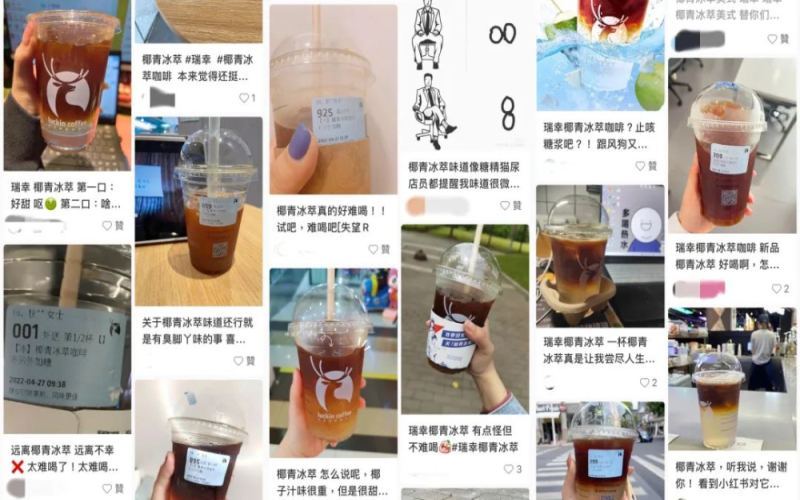
Luckin's zero-sugar hit returns, stirring up waves again: Formula overhaul brings big taste changes, amid sugar substitute controversy and health concerns
Luckin Coffee recently relaunched last year's hit Coconut Cold Brew, and has announced that in May it will bring back popular products such as Orange Golden Sparkling Americano in phases. However, the reformulated zero-sugar version has sparked polarized reviews among consumers—some complain it's like "waiting for a cheating scumbag to change," with a taste vastly different from what they remember, while others question the medicinal taste brought by artificial sweeteners. From packaging updates to health controversies, this round of comebacks reflects the brand's difficult balancing act between the sugar-reduction trend and faithful flavor reproduction. This article sorts through the details of the product iterations and genuine feedback from netizens, and cites a University of Southern California study on how artificial sweeteners affect appetite, to explore whether zero-sugar drinks are truly healthier. [more…]
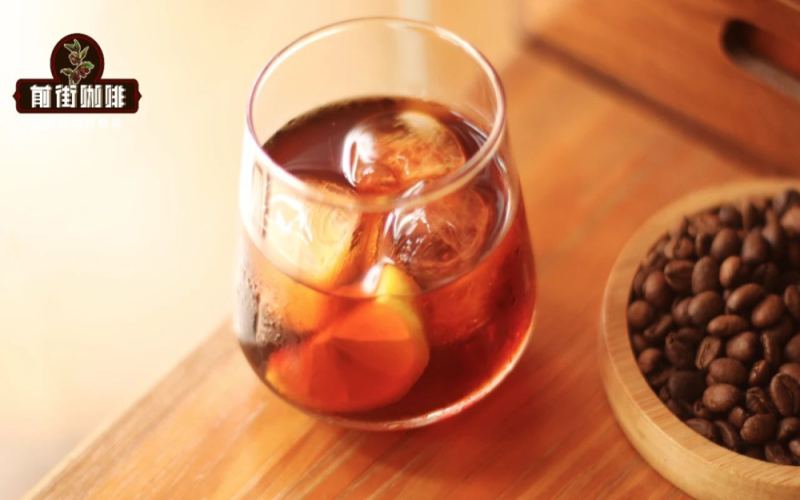
Iced Pour-Over Coffee Brewing Guide: Water-to-Coffee Ratio Formula and Detailed Pulse Pouring Techniques
On a hot summer day, a cup of refreshing iced pour-over coffee that doesn't compromise on flavor is a favorite among many coffee lovers. But to make iced pour-over present a fruity, sweet-and-tart layered complexity, the key lies in mastering the correct ratio of coffee grounds, water, and ice, as well as the extraction technique. This article focuses on the universal iced pour-over formula summarized by Front Street—coffee grounds paired with 10 times hot water and 5 times ice—breaking down in detail the complete workflow from grind adjustment and three-stage pouring to one-pour iced pour-over, and explaining why, once the amount of hot water poured is reduced, the grind must be made finer to compensate for extraction time, helping you easily make a cup of iced pour-over with both the right strength and flavor. [more…]

Kasuya Tetsu's 4:6 Brewing Method Explained: Why Five-Pour Brewing Consistently Produces Balanced Pour-Over Coffee
Some works often outshine their creators, like the Mona Lisa for Da Vinci, or the 4:6 method for Tetsu Kasuya. The core goal of this method, invented by the 2016 World Brewers Cup champion, is simple—to let anyone brew delicious coffee. It breaks a brew into five pours, each using three times the coffee dose in water, with the first two pours making up 40% of the total water to determine the sweet-and-sour direction, and the last three pours making up 60% to shape a rich, full-bodied mouthfeel. This article will fully break down the segmentation logic of the 4:6 method, the origin of the 45-second pouring interval, and conduct a real test using Front Street Coffee's Ethiopia Santa Vini beans to verify why this formula has an extremely high margin for error, and how to move beyond the formula and grasp its extraction philosophy. [more…]
From Origin to Bar: A Green Bean Sourcing Perspective on Commercial Blends
A cup of commercial espresso at the bar has its origins thousands of kilometers away at the source. Blending is not as simple as pouring several bags of roasted beans together and mixing them evenly—a professional roaster's blend is designed from the moment green beans are purchased. Understanding this upstream perspective can help shop owners see through many of the "whys" when selecting beans. The starting point of a blend is the recipe definition. [more…]

Pour-Over Coffee Sweetness Enhancement Guide: The "High, Fine, Large, Fast" Four-Word Formula and the High-Concentration, Low-Extraction Approach for Dark Roasts
Most of the sugars in coffee beans have already been transformed and degraded during roasting, and the remaining sweet-tasting molecules are easily masked by flavors such as acidity and bitterness. In this article, Front Street will break down the underlying principles of high-sweetness extraction and explain in detail the four-character brewing formula of "fine, high, large, fast"—grinding finer, raising the water temperature, increasing the flow rate, and speeding up extraction—using medium-light roasted beans as the experimental subject, demonstrating step by step the specific parameters and techniques for each stage; for medium-dark roasted beans, which are loose in texture and cannot withstand aggressive extraction, the "high concentration, low extraction" approach is recommended, paired with a Kono dripper and a simple one-pour technique, which can likewise brew a cup of coffee with full sweetness and restrained bitterness. At the end, the article also introduces diverse extraction methods such as variable-temperature brewing, for enthusiasts to try freely. [more…]
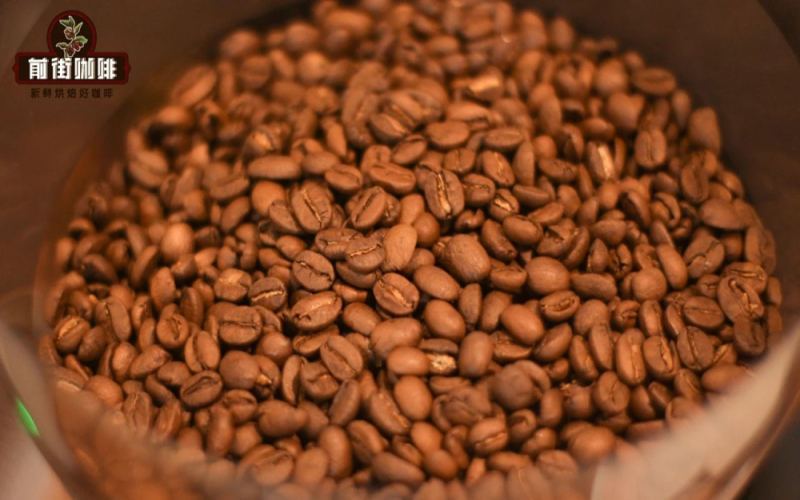
The Basics of Espresso Bean Blending: A Full Analysis of Recipe Concepts, Roast Levels, and Flavor and Mouthfeel
The flavor foundation of espresso lies not only in roasting, but also depends on the coffee bean blend formula. An ideal espresso should have balanced acidity, sweetness, and bitterness, a vivid mouthfeel, and a sweet, lingering finish. Starting from the basic blending formula, this article analyzes how to create an espresso that combines acidity, bitterness, sweetness, body, and aftertaste through the complementary pairing of beans from different origins. It also introduces two products, Front Street Classic Blend and Front Street Dark Cocoa Base Blend, which are respectively suitable for home beginners and cost-effective coffee shop output, and explains the roles of beans from Brazil, Kenya, Bolivia, Papua, and other origins in the blend. [more…]

A Practical Guide to Iced Pour-Over Coffee for Summer: The Universal Formula and One-Pour Method Explained
On a scorching summer day, a refreshing glass of iced pour-over coffee is nothing short of a lifesaver. This article focuses on the key points of brewing iced pour-over, starting with a simple, easy-to-remember universal formula—coffee grounds, hot water, and ice in a 1:10:5 ratio—then breaking down variables one by one, such as fine grinding, water temperature, and pouring rhythm, to help you recreate café-quality iced coffee at home. It then uses Tanzania Kilimanjaro as an example to demonstrate the standard three-pour iced brewing process, along with a grind size reference from Front Street Coffee shops. At the end, it also introduces Tetsu Kasuya's "one-pour iced pour-over," which needs only a slow-flow dripper and a spoon: pour with a strong stream of water and then stir, and the whole process takes less than two minutes, yielding a round, sweet cup. Whether you pursue precise control or want to save effort, you can find a suitable method. [more…]
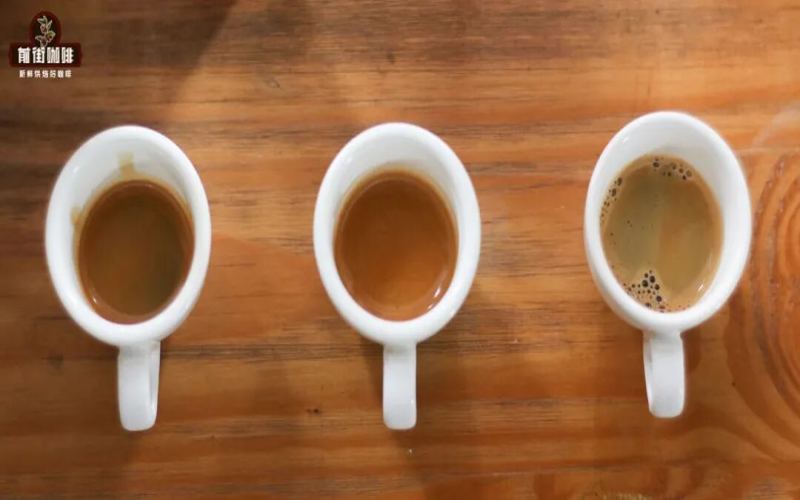
SOE Coffee Brewing Guide | How to Make Delicious SOE Espresso? How to Adjust SOE Coffee Bean Brewing Parameters?
After drinking too much traditional dark-roast espresso, one can't help but want a change of taste. As a result, most people swap the dark-roast blend in their hopper for SOE coffee beans that highlight flavor, using them to craft espresso with a pronounced acidic taste. These beans tend to be roasted on the lighter side, so if we use the parameters for extracting dark-roast beans [more…]
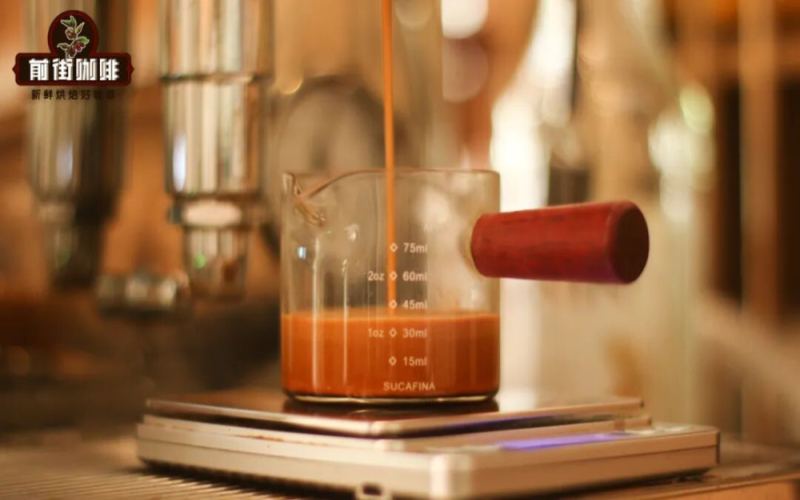
SOE Single-Origin Espresso Brewing Guide: Flavor Characteristics and Parameter Adjustment Tips for Light and Medium Roasts
Many coffee enthusiasts have wondered: how exactly should medium-light roasted single-origin beans be pulled as espresso? If you simply apply the conventional parameters for dark-roasted Italian-style beans, it is often hard to achieve the ideal flavor. In fact, no matter what beans you use, the core logic of extraction is always the same—maximize the good flavors and avoid the negative ones. This article centers on the extraction approach for SOE, starting with medium-roasted fruity beans, sorting out the three major steps of clarifying your drinking purpose, applying the standard formula, and fine-tuning based on flavor, while offering specific solutions to three common problems: sharp acidity, mixed bitterness, and a thin, bland taste. It also illustrates these points with the actual parameters of several SOE products from Front Street Coffee. [more…]
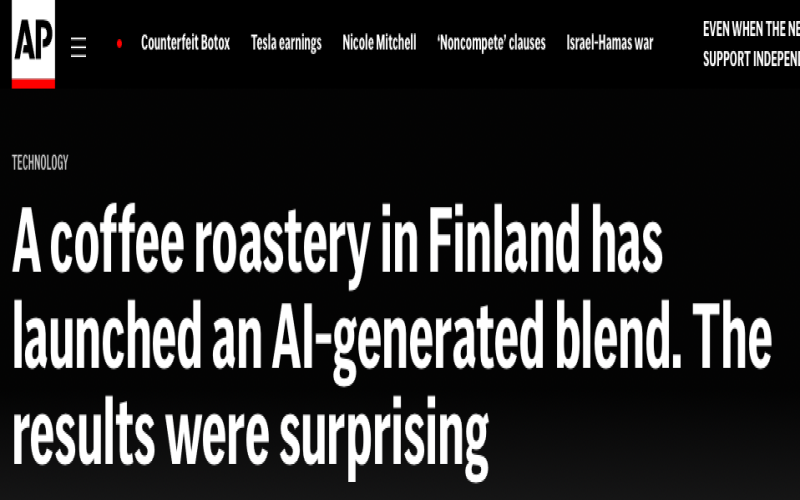
AI-Generated Blend Stuns the Coffee World: Finnish Roastery Uses AI to Craft a Four-Bean Blend
At this year's World Brewers Cup, blend beans became a favorite among many competitors, but traditional blends often require repeated debugging, which is time-consuming and labor-intensive. A Finnish roastery named Kaffa took a different approach, partnering with an AI company called Elev. After inputting flavor information for all the coffee beans in the roastery into a model similar to ChatGPT, they had the AI directly design a blend formula aimed at mass-market tastes. Surprisingly, the formula the AI provided differed considerably from the usual thinking of baristas, yet it won unanimous approval in blind tastings and even thoughtfully generated a packaging label. The integration of AI into the coffee industry is nothing new, but this time, can the blending answer it delivered shake the professional status of baristas? This article takes you through this interesting experiment, along with related observations from Front Street Coffee. [more…]
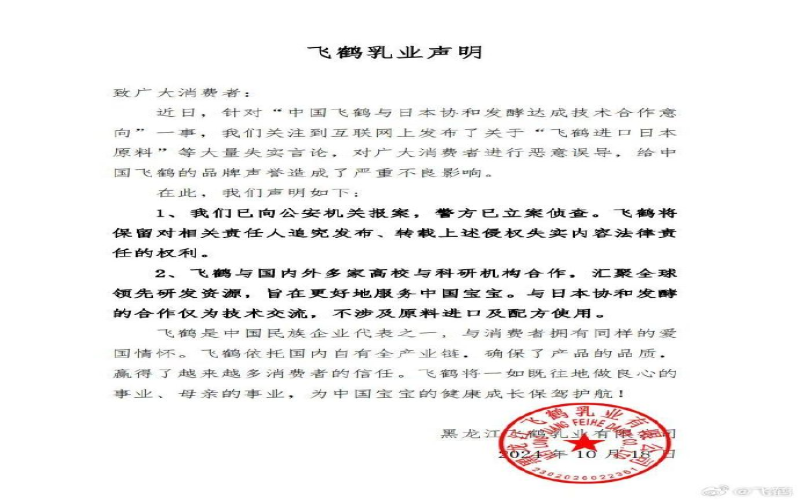
Feihe denies rumors of importing Japanese ingredients, saying a cooperation intention was misunderstood and it has reported the matter to police
On October 18, Feihe Dairy issued a statement regarding false information circulating online about "imported Japanese raw materials" and other rumors, stating that it had reported the matter to public security authorities and that a case had been opened. The controversy stemmed from a letter of intent for technical cooperation signed between Feihe and Japan's Kyowa Hakko, which was originally intended for the joint research and development of fermented lactoferrin technology, but was distorted into claims of raw material imports and even capital injection. Feihe emphasized that the cooperation remains only at the letter-of-intent stage and does not involve raw materials or capital. As a representative of domestic infant formula, Feihe has long been committed to breaking dependence on imported lactoferrin, as demonstrated by its first domestic production line. This article will sort through the ins and outs of the incident and restore the facts. [more…]